Skip to content

SuccessLab Customer Leadership Program

Prepare for the full scope of customer leadership.

Develop the strategic, financial, and AI- and data-driven judgment to lead the customer enterprise. Prepare for the Chief Customer Officer role—or strengthen your impact in it.

Nominations and applications requested by December 15, 2026

The value for your organization

What your leader will be ready to do.

Develop a leader you can trust with broader responsibility—across customer teams, in the boardroom, and with your customers.

01

Lead across customer disciplines.

Connect Customer Success, Support, and Services around shared priorities, clear accountability, customer outcomes, and business performance.

02

Represent the customer internally.

Turn customer evidence into recommendations for the executive team and board on strategy, investment, risk, retention, and growth.

03

Represent the company to customers.

Engage customer executives with credibility. Communicate direction, reconcile expectations, and stand behind the company’s commitments.

What your leader brings back

Build a Customer Transformation Plan around a real organizational priority, with four concrete outputs:

Financial case
Expected customer and business value, costs, and the assumptions behind the recommendation.
Operating direction
Changes across teams, decision ownership, and dependencies needed for progress.
Executive decision brief
The recommendation, alternatives, trade-offs, and approvals sought.
90-day execution plan
Owners, milestones, and measures for putting the direction into practice.

Checkpoints at three and six months support progress and application. Continue learning through insights and conversations from the SuccessLab community.

A selected peer cohort

Who qualifies.

Primarily for experienced Senior Directors and VPs across Customer Success, Support, and Services who are preparing for broader enterprise or Chief Customer Officer responsibility.

Directors with comparable scope and current CCOs seeking to deepen their impact are also welcome. Selection considers actual responsibility and readiness, alongside the experience each leader contributes to peers.

What we look for

  • Proven operating leadership. Meaningful responsibility for a team, operation, customer portfolio, or strategic initiative, with evidence of results.
  • Readiness for a wider mandate. The ambition and judgment to lead across customer disciplines and engage company and customer executives.
  • A real priority to work on. An organizational challenge, support to apply the learning, and time to participate fully.
  • A contribution to the cohort. Candid reflection, curiosity about other approaches, and respect for confidentiality.

Learn from leading practitioners

Faculty, mentors and organizer.

Learn with experienced customer executives and university faculty, connecting operating judgment with research and fresh perspectives.

Bryan Belmont

Bryan Belmont

Former Microsoft CVP

Arvind Karunakaran

Arvind Karunakaran

Professor
Stanford University

Atul Nanda

Atul Nanda

Former Salesforce, Google,
and Atlassian SVP

Ted Shelton

Ted Shelton

The Collective
Former OpenAI and Bain

Additional faculty and mentors will be announced.

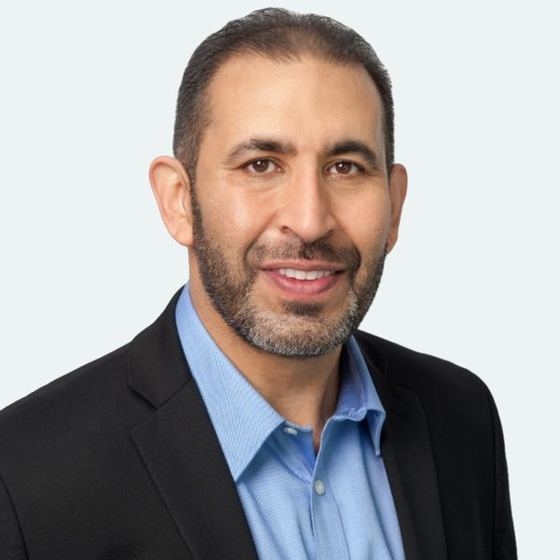
Omid Razavi

Program Organizer

Omid Razavi

Founder, SuccessLab

Omid brings experience as a Chief Customer Officer and leadership across Customer Success, Support, and Services, including roles at ServiceNow, SAP, and SupportLogic. He founded SuccessLab to advance customer leadership through peer exchange, executive forums, and executive development.

How you will learn

  • Ten live sessions, each 90 minutes, led by faculty.
  • Three private mentoring sessions connected to your leadership goals.
  • Peer partner conversations and candid exchange within the selected cohort.

The curriculum

Ten sessions. One connected leadership perspective.

Explore the strategic choices behind customer value, investment, AI, data, and operating models. Expand each session for details.

Weeks 1–3 · Strategy, value, and economics

01The MandateUnderstand the full scope of customer executive responsibility.

Examine how customer expectations, enterprise priorities, and AI change the leadership mandate.

  • Connect the responsibilities of Success, Support, and Services.
  • Clarify the authority and judgment required internally and with customers.
  • Identify your leadership development priorities for the program.
02The Value EngineConnect customer outcomes with adoption, retention, and growth.

Understand where value is created, strengthened, or lost across the customer lifecycle.

  • Distinguish delivery activity from value the customer recognizes.
  • Connect customer signals to Product, Revenue, and delivery decisions.
  • Establish meaningful customer and business outcome measures.
03The EconomicsBuild financial judgment and a credible investment case.

Explain how customer initiatives affect revenue, cost, capacity, margin, and business value.

  • Distinguish released capacity from cash savings.
  • Compare alternatives, costs, assumptions, and uncertainty.
  • Translate customer priorities into an investment recommendation.

Weeks 4–7 · AI, technology, and operating choices

04Technology and Data StrategyEvaluate the technology, knowledge, and data choices that enable customer strategy.
  • Assess readiness for self-service, assistance, and AI agents.
  • Clarify knowledge ownership, quality, access, and correction.
  • Account for integration, security, and technology constraints.
05The AI PortfolioPrioritize AI opportunities by value, feasibility, and risk.
  • Identify where AI can improve customer experience and the work itself.
  • Define evidence for testing, investment, expansion, and oversight.
  • Adapt the portfolio as capabilities, costs, and expectations evolve.
06The Operating ModelLead changes in work, roles, skills, and accountability.
  • Rethink workflows and responsibilities as AI takes on more execution.
  • Place human judgment, oversight, and exception handling deliberately.
  • Support people through changing roles, measures, and skill needs.
07The Sourcing DecisionChoose partners and delivery models with clear commercial logic.
  • Evaluate what to build, buy, or deliver with a partner.
  • Compare seat, usage, and outcome models and their incentives.
  • Support accountability, flexibility, and customer outcomes in agreements.

Weeks 8–10 · Enterprise influence and execution

08Enterprise and Customer AlignmentLead across functions and strengthen executive customer alignment.
  • Align Product, Engineering, Revenue, IT, Finance, and customer teams.
  • Clarify decision rights, commitments, escalation, and feedback loops.
  • Prepare for customer executive conversations about priorities, expectations, and company commitments.
09The BoardroomRepresent customer priorities with executive and financial clarity.
  • Connect customer outcomes to enterprise strategy and financial value.
  • Frame alternatives, risks, trade-offs, and uncertainty.
  • Build an evidence-based recommendation for executive or board discussion.
10Leadership Commitments and ExecutionBring the learning together and establish the next 90 days.
  • Bring strategic, financial, and operating choices into your plan.
  • Define owners, milestones, and measures for the first 90 days.
  • Use feedback and progress reviews to adapt as the work moves forward.

The investment and next steps

Tuition and admission.

US$10,000 per participant · Inaugural January–March 2027 cohort

Participation may be eligible for employer sponsorship or reimbursement through corporate learning and development (L&D), executive education, or professional development budgets, subject to company policy.

How admission works

  1. Submit a nomination or individual application.
  2. Join a 30-minute conversation about experience, goals, and fit.
  3. Receive an invitation if selected for the cohort.

Practical questions

Can the entire program be attended online?

Yes. All ten sessions can be attended online. The opening and closing sessions also offer an in-person option; the other eight sessions are online.

What should the sponsoring executive do?

Agree on development priorities with the nominee, protect time for participation, and support access to relevant colleagues and evidence. Review the participant’s recommendations together to connect their development to decisions and execution.

How should we evaluate the impact?

Agree on a leadership goal and organizational priority at the start. Review the quality of recommendations, executive communication, and collaboration. Track a few measures relevant to the applied priority, such as time to value, adoption, delivery margin, or customer effort. Use the three- and six-month checkpoints to assess progress.

Will discussions and company information remain confidential?

Teaching segments may be recorded. Participant discussions remain off the record, and you choose what to share. Nominations can describe the development opportunity without confidential customer or company information.

Take the next step

Nominate a leader or apply for yourself.

Nominations and applications requested by December 15, 2026. We’ll follow up to discuss fit and next steps.

Nominate a leader or apply for yourself

We’ll use these details to respond about the program. Privacy Policy

{{ footer_js() }} {{ js_integration_body_end() }}